As Mayor Michelle Wu is promoting her shift of the Boston Planning and Development Authority (BPDA) to City Hall as a way to bring in community input, neighborhood groups are skeptical, pointing to how the BPDA already has "Community Engagement Managers" (CEM) that many organizations have rarely seen or never met.
BPDA declined to immediately provide salary information for CEM and declined to speak about the position’s role other than sending a job description. And community groups are mystified about what the CEMs actually do.
“I’ve never heard of CEMs,” said Meg Mainzer-Cohen, president of the Back Bay Association.
"[I] have not really seen much of the BPDA community engagement coordinators at BPDA meetings," said Richard Giordano of the Fenway CDC.
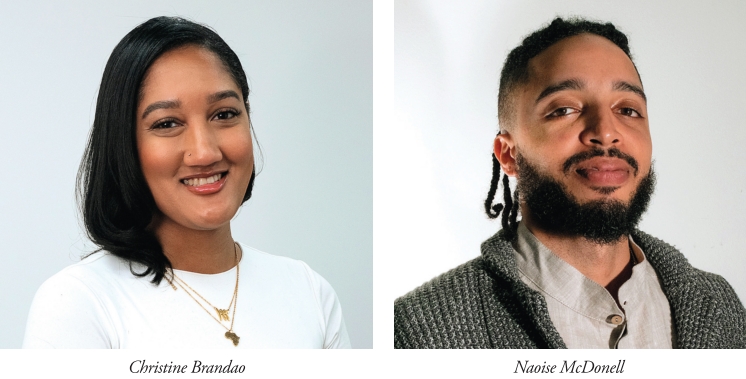
“I’ve never heard of her” noted City Councilor Ed Flynn referring to Christine Brandao”, the CEM for the Back Bay and Downtown who has been on the job since last May.
"I don't know what they're doing or who they're talking to, neither I nor anyone else I talk to has ever talked to them," said South End Forum chair Steve Fox, who also criticized the Wu administration's process for putting the BPDA under the auspices of a city planning department. "We had zero input into the creation of the [planning department ordinance], the first we saw of it was when it was submitted to the City Council. The CEM for the South End, Newmarket and the Fenway is Naoise McDonell who was appointed last July.”
“To this administration, community engagement means we decided what it is we want to do, and we announce it to you as a done deal and then ask for your support," Fox said.
Martyn Roetter, chair of the Neighborhood Association of the Back Bay, said he had only seen that area's Community Engagement Manager at one NABB meeting. He echoed Fox's concerns that the broader engagement between BPDA and neighborhood groups had broken down.
"Community engagement is increasingly a one-way process, it means 'we've decided to tell you what to do' coming from the top," Roetter said. "Generally the atmosphere that's been developing is not so much community engagement as community enragement."
The Council recently approved Wu's plan to move the quasi-governmental BPDA under the control of City Hall, although the BPDA board will still approve large-scale Article 80 projects. The state Legislature must also approve the plan, which would require more public disclosure of BPDA budgets and give greater public participation and input on planning, Wu has said.
BPDA's 2020 budget summary described how in the previous year, "A new Community Engagement Team was created under the Planning Department to better connect residents with planning and development in their community."
Then in 2021, a BPDA press release described a six-person team of Community Engagement Managers to "further the BPDA's mission to create a community-led, planning first agency, that supports growth reflecting the unique needs of each neighborhood" and who were "responsible for assisting BPDA staff members with the coordination of all outreach efforts related to the agency’s work throughout Boston’s neighborhoods."
Currently the BPDA has seven CEMs, according to their website. A previous Boston Guardian report in 2023 found one CEM pulled in a $93,000 salary, but BPDA officials would not immediately give salary information to The Guardian, requiring a public records request.
"The BPDA’s community engagement managers assist the Planning, Development Review and Real Estate departments with designing and executing engagement strategies for each project or initiative including planning and zoning initiatives, development review, and real estate dispositions.”
“They respond to meeting invitations and incoming inquiries from residents who have questions about different projects or initiatives and encourage residents to get involved in planning and development in their neighborhood. CEMs also work with staff across the agency to ensure residents’ voices and feedback are understood and reflected in the agency’s work," a BPDA spokesperson told The Guardian in a statement.
"All CEMs have a strong network of connections and work to build relationships with the local residents and organizations that interface with the BPDA through development projects and planning initiatives," the spokesman said.
That hasn't been Fox's experience. "I have had no contact, no outreach, no liaison, no communications with anyone from BPDA," Fox said. "The whole issue with community engagement is that neighborhoods and the BPDA seem to have an opposing view of what it means to actually have what is typically called engagement from the neighborhood's perspective. All we get are messages that confirm initiatives that the BPDA is making, through newsletters or announcements, with no prior discussion of anything."
Fox said community engagement managers should facilitate conversations and bring neighborhood groups into development processes early on, instead of dictating terms after the fact.”
"A community engagement manager should be someone who provides opportunity for public discourse of ideas the administration is considering before the decision is made to embrace them. I don't want an engagement manager to be my voice, I want them to provide an opportunity for people like me across the city, for civically engaged people to discuss options that exist and give feedback directly to people involved."